
2012 was a thrilling year for J.R.R. Tolkien fans everywhere, as they were finally able to witness Bilbo Baggins’s foray into the magical world of Middle Earth on the big screen for the first of three The Lord of the Rings prequel movies Despite The Hobbit’s several deviations from the 1937 book, most would agree that it’s still …
Tag: movies
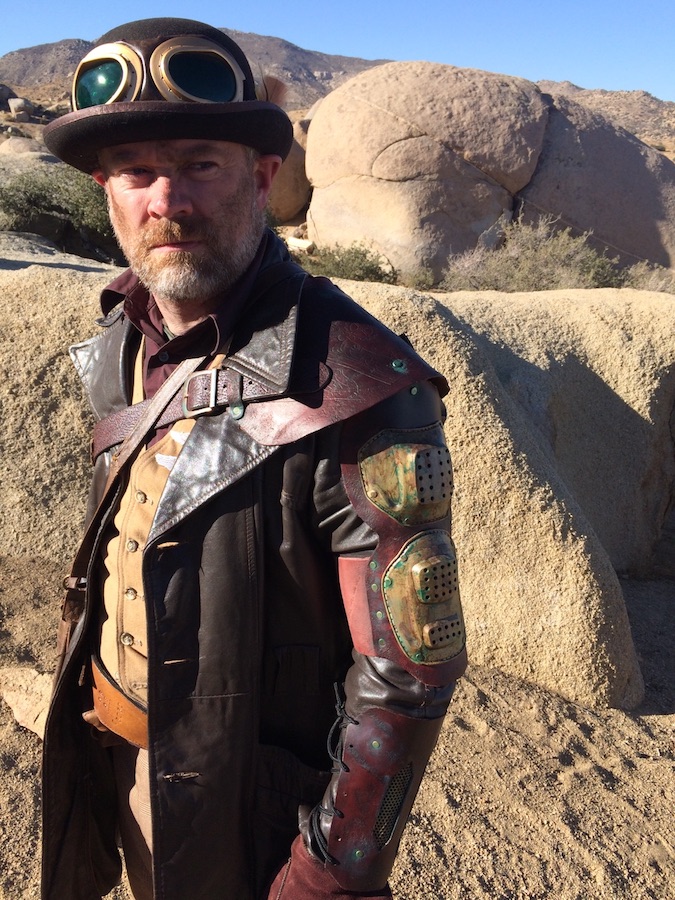
Tim Hildebrand’s acting career stretches from Caronport to Cannes
I wrote this article for Refined Saskatoon; you can see it in the context of the magazine here. Back in 2007, I performed with Tim in Beauty and the Beast at Persephone Theatre in Saskatoon, the very first show in the then brand-new theatre. (Our Beast was Paul Alexander Nolan, currently heading to Broadway again …
Why books are better than the movies made from them
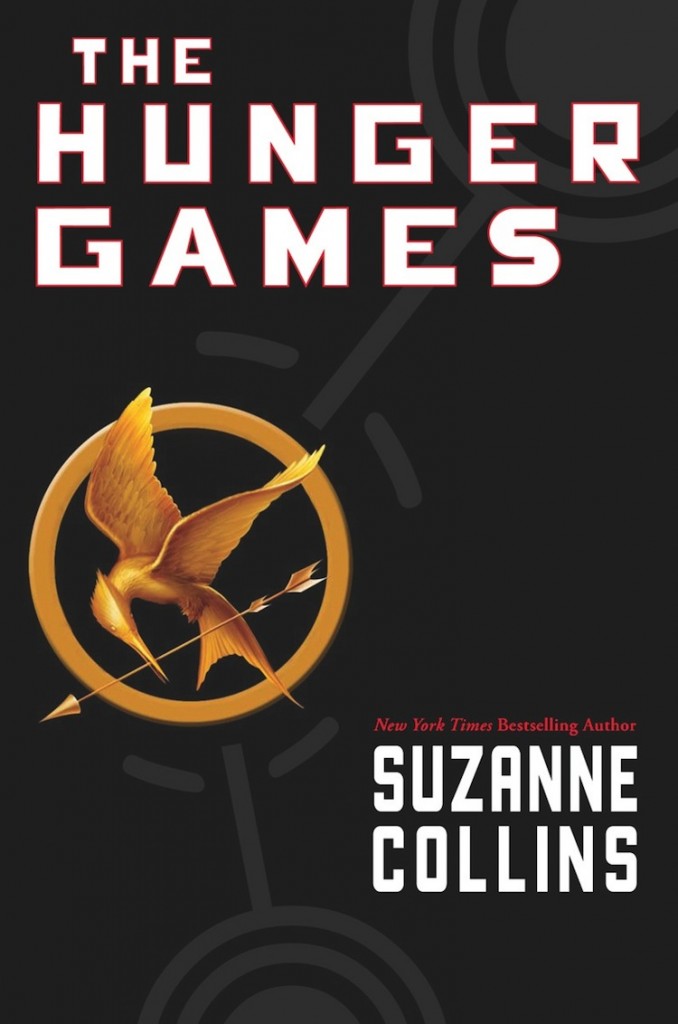
My 11-year-old daughter Alice and I, during a before-school stop in a coffee shop this morning, were discussing books that have been made into movies: specifically The Hunger Games, which won several People’s Choice Awards last night. “Why are the books always so much better than the movies?” asked Alice. A question for the ages. …
Saturday Special from the Vaults: The Bounty Mutiny: From the Court Case to the Movie
One of the more interesting projects I undertook for Enslow Publishers was a history of the famous Mutiny on the Bounty, comparing the real-life events to the way they were portrayed in the movie starring Anthony Hopkins as William Bligh and Mel Gibson as Fletcher Christian that came out in the 1980s. I’ve always enjoyed …

From Squid to Eternity
Margaret Atwood (in)famously referred to science fiction as “talking squids in outer space,” a remark to which I would take great umbrage if not for the fact that my DAW novel Lost in Translation contains a character, Karak, master of the Guild of Translators, described thusly: Free of the watersuit and its exoskeleton, his shape was nothing …

The first sentence I wrote today…
…for Blue Fire was: The much-diminished caravan of Freefolk Clan Diannan had only been on the road for an hour the next morning when the attack came. Words today: 2,277 Words thus far: 42,652 A good morning’s work. I’m getting close to 200 manuscript pages on this story. I think it’s going to need considerable …
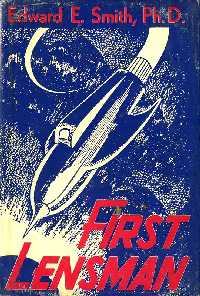
Lensmen: the movie
This is cool news: J. Michael Straczynski, creator of the late, lamented Babylon 5, has written a script for a movie adaptation of the Lensmen series by E.E. “Doc” Smith. I devoured these classic space operas as a kid. The scale of, well, everything was enormous: ships the size of moons (long before the Death …
My review of Saturday’s Regina Symphony Orchestra concert…
…is now online, headlined “RSO scores again with movies.” Here’s how it starts: Halfway through the second half of the Regina Symphony Orchestra’s 10th annual The RSO Goes to the Oscars movie-music concert, Maestro Victor Sawa commented on the versatility of movie composers, who may find themselves writing theme music for sharks in one movie …
My preview of the Regina Symphony Orchestra’s movie music concert…
…, RSO Goes to the Oscars, is in today’s LeaderPost. Here’s a bit from the middle: For Sawa, switching from symphonies to soundtracks is natural. In a strange way, he says, “we owe a debt of gratitude to the Nazis. Oscar Hammerstein, Max Steiner, Eric Korngold, Bernard Hermann, Franz Waxman — they all came over …
A defense of "hokey" endings
I’ve been enjoying Andrew Breitbart’s new BigHollywood group blog very much, and liked this quote, from John Nolte’s commentary on the Alfred Hitchcock film Notorious, in which he takes issue with those who think its ending is “hokey”: “Hokey” isn’t the result of a story point, “hokey” is the result of the execution of the …
Books, movies, reality are all equally disgusting–and that’s a good thing!
I write nonfiction (obviously), but I also write science fiction and fantasy. We who write such stuff are occasionally asked (and occasionally wonder) if our works can continue to compete in a media universe in which “science fiction” and “fantasy” conjure up for most people Hollywood special-effects extravaganzas first, and the written word second (if …
Willett of the Day: Dr. Willett, H.P. Lovecraft character
Some Willetts–though not myself–are entirely fictitious. Such is the case of Dr. Marinus Bicknell Willett, the family physician of Charles Dexter Ward, and ultimately the hero of H.P. Lovecraft’s novella The Case of Charles Dexter Ward. (The image at right is of the late actor Frank Maxwell, who portrayed Dr. Willett in Roger Corman’s 1963 …
My latest live walk and vlog

Buy Autographed Books
Most Recent Episodes
-
Episode 164: Kristen Ciccarelli – Heartless Hunter
 A chat with New York Times bestselling YA author Kristen Cicarelli about Heartless Hunter, The Crimson Moth Book 1, a “dangerously romantic Scarlet Pimpernel-inspired fantasy.” Websitekristenciccarelli.com Facebook@AuthorKristenCiccarelli Instagram@kristenciccarelli Pinterest@kciccarelli Kristen Ciccarelli’s Amazon Page Amazon Links for Heartless HunterAmazon.comAmazon.ca About the Book Enemies-to-lovers doesn’t get more high stakes than a witch and a witch hunter falling…
 -
Episode 163: Sebastien de Castell – Play of Shadows
A chat with award-winning fantasy author Sebastien de Castell about Play of Shadows, Book 1 of Court of Shadows, set in the world of his popular Greatcoats series. Websitedecastell.com X@decastell Facebook@decastell Sebastien de Castell’s Amazon Page Amazon Links for Play of ShadowsAmazon.comAmazon.ca About the Book Swordplay, magic, intrigue and friendships stronger than iron: the first… -
Episode 162: Lyn McGinnis – Amarel Mountain
A chat with author Lyn McGinnis about Anu Awakes, an epic fantasy series, and the most recent release in that series, Book 2, Amarel Mountain. Websiteanuawakesseries.com Bluesky@anuawakes Goodreads Instagram@anuawakes Lyn McGinnis’s Amazon Page Amazon Links for Amarel MountainAmazon.comAmazon.ca About the Book Descendants of the Tolku of the Primary Epoch, the Koru, Yakku and Yelda, now… -
Episode 161: Jared N. Michaud – Brightstar
A chat with new author Jared N. Michaud about his upcoming YA science fiction novel Brightstar, first book in the Energematric6 space adventure series. Websiteenergematrice6.com Facebook@Energematrice6 X@Energematrice6 Instagram@jarednmichaud Jared N. Michaud’s Amazon Page Amazon Links for BrightstarAmazon.comAmazon.ca About the Book Brightstar is the beginning of an epic space-adventure series that introduces readers to Nate, a… -
Episode 160: Breakfield & Burkey – Enigma Tracer
A chat with the writing team of Charles Breakfield and Rox Burkey about their long-running techno-thriller series, Enigma, and Enigma Tracer, first book in their new Enigma Heirs trilogy. Websiteenigmabookseries.com Facebook@TheEnigmaSeries X@EnigmaSeries@1rburkey Instagram@enigmabookseries YouTube Amazon Links for Engima TracerAmazon.comAmazon.ca About the Book The clock is ticking … can Gracie uncover the truth? Phillip Pliant is… -
Episode 159: Steve Truitt – The Mindset Chronicles
A chat with author and former television host Steve Truitt about his new science fiction novel series, The Mindset Chronicles. Websitestevetruitt.com Facebook@AuthorSteveTruitt Amazon Links for The DeletionAmazon.comAmazon.ca Steve Truitt’s Amazon Page About the Book In a world where artificial intelligence has become an integral part of daily life, the sudden death of all AI sends… -
Episode 158: Danièle Cybulskie – Chivalry and Courtesy: Medieval Manners for a Modern World
A chat with noted medievalist Danièle Cybulskie about her new book, Chivalry and Courtesy: Medieval Manners for a Modern World. Websitedanielecybulskie.com X/Twitter@5minmedievalist Facebook@5MinMedievalist Instagram@5minmedievalist YouTube@5MinMedievalist Amazon Links for Chivalry and CourtesyAmazon.caAmazon.com Danièle Cybulskie’s Amazon Page About the Book Medieval people are often portrayed as having poor hygiene and table manners—licking their knives or throwing chicken… -
Episode 157: Marie Brennan – The Market of 100 Fortunes (Legend of the Five Rings Book 3)
A chat with Hugo-nominated author Marie Brennan about her Legend of the Five Rings trilogy, which just wrapped up with The Market of 100 Fortunes. Websiteswantower.com Bluesky Patreon Amazon Links for The Market of 100 FortunesAmazon.caAmazon.com Marie Brennan’s Amazon Page About the Book Enthralling fantasy mystery from the world of Legend of the Five Rings as two… -
Episode 156: Douglas Smith – The Lost Expedition (The Dream Rider Saga, Book 3)
A chat with Canadian author Douglas Smith about his young adult fantasy trilogy The Dream Rider Saga, which has just culminated in Book 3, The Lost Expedition. Websitesmithwriter.com Facebook@WritingtheFantastic X/Twitter@smithwritr Instagram@douglassmithwriter Amazon Links for The Lost ExpeditionAmazon.caAmazon.com Douglas Smith’s Amazon Page About the Book The Thrilling Conclusion to the Multi-Award-Winning Trilogy Will is the Dream… -
Episode 155: Matthew Hughes – A God in Hiding & The Emir’s Falcon
A chat with award-winning author Matthew Hughes about his newest fantasy novel, A God in Hiding, and his recent young adult outdoor adventure tale, The Emir’s Falcon (Shadowpaw Press). Websitearchonate.com Facebook@hapthorn Amazon Links A God in HidingAmazon.caAmazon.com The Emir’s FalconAmazon.caAmazon.com Publisher’s Book Page for The Emir’s Falcon About the Books A God in Hiding In…